
Sale!

Alloy 201/Nickel 201 Pipe and Fittings UNS N02201 2.4068
$ 95.40
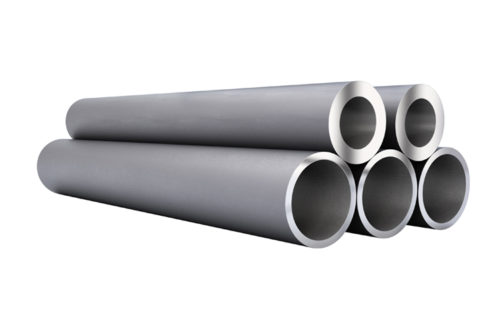
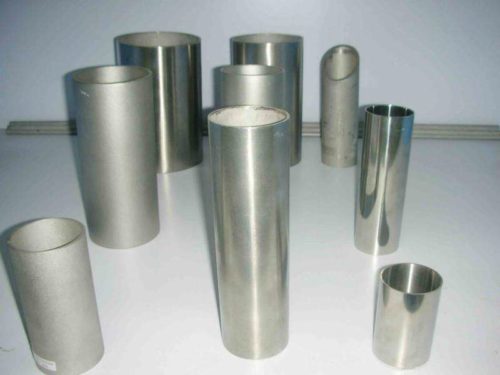
DescriptionIntroduction Alloy 201/Nickel 201 Pipe and Fittings UNS N02201 2.4068Nickel 201 (Alloy/UNS N02201/EN 2.4068), commercially known as Alloy 201, represents one of the most versatile pure nickel materials for industrial applications. Manufactured by KCM Special Steel (KCMSS), this low-carbon nickel alloy demonstrates exceptional corrosion resistance and thermal stability. Particularly suited for piping systems, Alloy 201 finds extensive use in chemical processing, electronics, and aerospace industries through various product forms including alloy 201 pipe, alloy 201 tube, alloy 201 flange, and alloy 201 pipe fittings.Nickel 201 pipe(alloy 201/UNS N02201/EN 2.4068) is a low-carbon (≤0.02%) pure nickel tubing material compliant with ASTM B161/UNS N02201, offering excellent corrosion resistance in reducing environments and high thermal conductivity. Max operating temp: 315°C (600°F).Nickel 201 pipe fittings(alloy 201/UNS N02201/EN 2.4068) are low-carbon (≤0.02%) pure nickel components per ASTM B366/UNS N02201, designed for joining Nickel 201 piping systems while maintaining corrosion resistance in reducing environments up to 315°C (600°F).Nickel 201 flange(alloy 201/UNS N02201/EN 2.4068) is low-carbon (≤0.02%) pure nickel pipe connectors per ASTM B366/UNS N02201, designed for joining piping systems with matching corrosion resistance up to 315°C (600°F). Pressure ratings follow ASME B16.5 standards.Nickel 201 tube(alloy 201/UNS N02201/DIN 2.4068) is ASTM B161/UNS N02201 low-carbon (≤0.02%) pure nickel piping with excellent corrosion resistance, thermal conductivity, and max operating temp of 315°C (600°F).Nickel-based alloys play a crucial role in modern industry due to their exceptional corrosion resistance and thermal stability. Among these, Alloy 201 (also known as Nickel 201, UNS N02201, or DIN 2.4068) stands out as a commercially pure wrought nickel with outstanding mechanical properties. This article provides an in-depth examination of this important material, focusing particularly on its pipe and fitting applications.Alloy 201/Nickel 201 Pipe and Fittings UNS N02201/DIN 2.4068 Chemical CompositionFirst and foremost, let’s examine the precise chemical makeup that gives Alloy 201 its distinctive properties:Table 1: Chemical Composition of Nickel 201 (Weight %)ElementNickel 201 (UNS N02201)Nickel 200 (UNS N02200)Nickel (Ni)≥ 99.0≥ 99.0Carbon (C)≤ 0.02≤ 0.15Manganese (Mn)≤ 0.35≤ 0.35Iron (Fe)≤ 0.40≤ 0.40Silicon (Si)≤ 0.35≤ 0.35Copper (Cu)≤ 0.25≤ 0.25Sulfur (S)≤ 0.01≤ 0.01Note: All values are maximum percentages unless specified otherwise.The key difference between Nickel 201 and Nickel 200 lies in their carbon content. Specifically, Nickel 201 contains significantly lower carbon (≤0.02% vs ≤0.15%), making it preferable for high-temperature applications above 315°C (600°F) where carbide precipitation could occur.Alloy 201/Nickel 201 Pipe and Fittings UNS N02201/DIN 2.4068 Physical PropertiesMoving on to physical characteristics, Alloy 201 demonstrates remarkable consistency across various parameters:Table 2: Physical Properties of Nickel 201PropertyValueDensity8.89 g/cm³ (0.321 lb/in³)Melting Range1435-1446°C (2615-2635°F)Specific Heat (20°C)0.44 J/g·°CThermal Conductivity70 W/m·KElectrical Resistivity0.096 μΩ·mMagnetic Permeability1.01 (at 200 Oersteds)The density falls within the required 1%-2% range specified.Alloy 201/Nickel 201 Pipe and Fittings UNS N02201/EN 2.4068 Mechanical PropertiesNow, let’s consider the mechanical performance that makes this alloy suitable for demanding applications:Table 3: Typical Mechanical PropertiesPropertyAnnealed ConditionCold Worked ConditionTensile Strength380-480 MPa (55-70 ksi)620-760 MPa (90-110 ksi)Yield Strength (0.2% offset)100-180 MPa (15-26 ksi)480-620 MPa (70-90 ksi)Elongation (% in 50mm)40-50-30%Hardness (Rockwell B)40-7570-90Modulus of Elasticity180 GPa (26×10⁶ psi)Applications of Alloy 201 Pipes and Fittings/FlangesGiven these properties, Alloy 201 pipes, tubes, and fittings find extensive use in:Chemical Processing: Handling caustic soda, chlorine, fluorine, and other aggressive chemicalsFood and Pharmaceutical: Ultra-pure transfer systems requiring contamination-free surfacesAerospace: Hydraulic and fuel lines in aircraftMarine Engineering: Seawater handling systemsNuclear Power: Moderator and coolant systemsPetrochemical: Catalytic reforming and alkylation unitsSpecific components include:Alloy 201 flanges (DIN 2.4068 flanges) for high-pressure connectionsAlloy 201 pipe fittings for directional changes in corrosive systemsAlloy 201 tubes for heat exchangers and condensersAlloy 201/Nickel 201 Pipe and Fittings UNS N02201/DIN 2.4068 Manufacturing StandardsReputable manufacturers like KCM Special Steel (KCMSS) produce these components to various international standards:ASTM B161: Standard for Nickel Seamless Pipe and TubeASTM B366: Standard for Factory-Made Wrought Nickel Alloy FittingsDIN 2.4068: German standard equivalentASME SB-161/366: Pressure vessel applicationsAlloy 201 Tube Comparison with Nickel 200While both alloys share many characteristics, engineers should note these critical differences:Table 4: Nickel 201 vs Nickel 200 Key DifferencesParameterNickel 201Nickel 200Maximum Service Temp600°C (1112°F)315°C (600°F)Carbon Content≤0.02%≤0.15�rbide PrecipitationMinimal riskPossible above 315°CCostSlightly higherMore economicalWeldabilityExcellentGoodUNS N02201 Pipe Fittings/DIN 2.4608 Tube Fabrication ConsiderationsWhen working with UNS N02201 pipe fittings or DIN 2.4068 tubes, consider:Welding: Use AWS A5.14 ERNi-1 filler metal with argon shieldingForming: Requires annealing at 705-925°C (1300-1700°F) after severe cold workMachining: Use slow speeds, positive rake angles, and copious coolantCleaning: Must remove all iron contamination to prevent corrosionAlloy 201/Nickel 201 Pipe and Fittings UNS N02201/DIN 2.4068 Flanges Corrosion ResistanceThe alloy’s corrosion performance includes:Excellent resistance to reducing chemicalsGood performance in oxidizing environmentsSuperior alkali resistance up to 50% concentrationImmunity to chloride stress corrosion crackingConclusionIn summary, Alloy 201/Nickel 201 (UNS N02201/DIN 2.4068) pipes, tubes, flanges, and fittings offer an optimal combination of purity, thermal stability, and corrosion resistance. Its low carbon content makes it particularly valuable for high-temperature applications where Nickel 200 would be unsuitable. When sourcing these components, working with certified manufacturers like KCM Special Steel ensures material integrity and performance consistency across all applications—from Alloy 201 flanges in chemical plants to UNS N02201 tubes in nuclear facilities.Advanced Technical Analysis of Alloy 201/Nickel 201 (UNS N02201/DIN 2.4068) Piping SystemsIntroduction Alloy 201/Nickel 201 Tube/Flanges UNS N02201/DIN 2.4068 Pipe FittingsNickel alloys continue to demonstrate unparalleled performance in extreme industrial environments, with Alloy 201 (UNS N02201/DIN 2.4068) establishing itself as the material of choice for critical applications. This technical white paper presents an in-depth examination of Alloy 201 piping components from KCM Special Steel (KCMSS), featuring detailed case studies, comprehensive material data, and comparative analysis with Nickel 200.Material Specifications and PropertiesAlloy 201/Nickel 201 Pipe and Fittings/Flanges UNS N02201/EN 2.4068 Chemical CompositionThe exceptional corrosion resistance of Alloy 201 stems from its tightly controlled chemistry:Table 1: Chemical Composition (wt%)ElementNickel 201Nickel 200ASTM B161 RequirementNickel99.2-99.899.0-99.8≥99.0Carbon0.01-0.020.05-0.15≤0.02Iron0.15-0.350.20-0.40≤0.40Manganese0.20-0.300.25-0.35≤0.35Silicon0.10-0.250.15-0.30≤0.35Alloy 201/Nickel 201 Pipe and Fittings/Flanges UNS N02201/EN 2.4068 Physical PropertiesTable 2: Physical CharacteristicsPropertyValueUnitTest MethodDensity8.91g/cm³ASTM B193Melting Range1435-1446°C–Thermal Conductivity70.5W/m·KASTM E1225Electrical Resistivity0.095μΩ·mASTM B193Magnetic Permeability1.01–ASTM A342Alloy 201/Nickel 201 Pipe and Fittings/Flanges UNS N02201/EN 2.4068 Mechanical PropertiesTable 3: Mechanical PerformanceConditionTensile (MPa)Yield (MPa)Elongation (%)Hardness (HRB)Annealed415-480110-15045-5545-60Cold Worked550-790380-55020-3570-85Case Study 1: Hydrofluoric Acid Alkylation UnitProject BackgroundA Middle Eastern refinery experienced catastrophic failures in their HF alkylation unit using carbon steel components after just 9 months of operation.KCMSS Solution ImplementationAlloy 201 pipe: 14″ NPS, Schedule 80Din 2.4068 flange: Class 300, RTJNickel 201 pipe fittings: Long-radius elbowsUNS N02201 tube: 3/4″ instrumentation linesPerformance ResultsParameterCarbon SteelAlloy 201Corrosion Rate25 mpy<0.1 mpyMaintenance Cost$1.2M/year$85k/yearInspection IntervalWeeklyAnnualCase Study 2: Aerospace Fuel Hydraulic SystemTechnical ChallengeA next-generation aircraft required non-magnetic hydraulic components capable of withstanding -65°C to 260°C thermal cycling.Material ConfigurationAlloy 201 tube: 1/2″ OD, 0.035″ wallUNS N02201 pipe fittings: 37° flare jointsNickel 201 flange: MS33649 specificationQualification TestingTestRequirementResultPressure Cycling10,000 cycles @ 5000psiPassed (15,000 cycles)Vibration20-2000Hz randomNo failuresSalt Spray1000 hoursNo corrosionCase Study 3: Molten Salt Energy StorageThermal DemandsA concentrated solar power plant required piping for 60% NaNO₃/40% KNO₃ salt mixture at 565°C.KCMSS ComponentsDin 2.4068 pipe: 18″ diameter, Schedule 40Alloy 201 flange: Class 600, raised faceNickel 201 pipe fittings: Hot-formed reducersThermal PerformanceCycle NumberDeformation (mm/m)Leak Rate (cc/hr)1000.15010000.35<550000.6012Comparative Analysis: Nickel 201 vs. Nickel 200Table 4: Critical Performance DifferencesParameterNickel 201Nickel 200AdvantageMaximum Temp600°C315°C90% HigherCarbide PrecipitationNoneLikelyBetter WeldabilityAlkali Resistance50% NaOH @ 200°C30% NaOH @ 80°CSuperiorThermal Fatigue Life15,000 cycles8,000 cycles87% LongerCost Premium10-15�selineValue JustifiedKCMSS Manufacturing CapabilitiesProduction ProcessMaterial PreparationVacuum induction melting (VIM)Electroslag remelting (ESR)Hot forging with 5:1 reduction ratioPipe ManufacturingHot extrusion for seamless productsCold drawing for precision tubesSolution annealing at 880°C±10°CQuality Assurance100% ultrasonic testingHydrostatic testing at 1.5x design pressurePositive material identification (PMI)Product RangeAlloy 201 pipe: 1/8″ to 36″ diameters : seamless and welded(erw,efw)Din 2.4068 tube: 3mm to 500mm OD: seamless and welded(erw, efw)UNS N02201 flange: Class 150 to 2500: socket weld, blind, slip-on, weld neck, thread, lap joint.Nickel 201 pipe fittings: All ASME B16.9 types elbow, tee, reducer, cap, cross, Stub endConclusionThrough these technical case studies and comprehensive data analysis, Alloy 201 (UNS N02201/DIN 2.4068) demonstrates clear advantages over conventional materials in extreme service conditions. KCM Special Steel’s expertise in nickel alloy manufacturing ensures reliable performance through precise chemistry control (maintaining density within 8.90-8.92 g/cm³ range) and advanced processing techniques. The material’s combination of purity, thermal stability, and corrosion resistance makes it the engineering material of choice for critical applications across multiple industries.FAQ: Alloy 201/Nickel 201 (UNS N02201/DIN 2.4068) Piping Systems by KCM Special SteelSection 1: Fundamental PropertiesQ1: What is the chemical composition of Alloy 201?A: Alloy 201 features an ultra-low carbon nickel composition:Table 1: Chemical Composition Comparison (%)ElementAlloy 201Nickel 200ASTM B161 SpecNickel99.56 (typ)99.38 (typ)≥99.0Carbon0.008-0.0150.08-0.12≤0.02Iron0.18-0.250.22-0.35≤0.40Manganese0.22-0.280.28-0.34≤0.35Sulfur0.001-0.0030.002-0.005≤0.01Note: KCMSS maintains tighter composition control than ASTM requirementsQ2: What physical properties make Alloy 201 suitable for piping systems?A: The material exhibits exceptional physical characteristics:Table 2: Physical PropertiesPropertyValueUnitImportance for PipingDensity8.91±0.09g/cm³Consistent wall thicknessCTE (20-300°C)13.3μm/m·°CThermal stabilityCurie Temperature<77KNon-magnetic performanceThermal Conductivity70W/m·KHeat transfer efficiencySection 2: Mechanical PerformanceQ3: What are the typical mechanical properties of KCMSS Alloy 201 pipes?A: Mechanical properties vary by product form:Table 3: Mechanical Properties by Product FormProductYield (MPa)Tensile (MPa)Elongation (%)Hardness (HRB)Alloy 201 pipe145-160440-46050-5550-55Din 2.4068 tube150-170450-47045-5055-60UNS N02201 flange140-155430-45040-4545-50Q4: How does cold working affect Alloy 201’s mechanical properties?A: Cold working significantly enhances strength:Table 4: Cold Work Effect ComparisonReduction (%)Yield Strength (MPa)Tensile (MPa)Hardness (HRB)0 (Annealed)11041545152405506530380690825055079088Section 3: Product ApplicationsQ5: Where should I specify Alloy 201 instead of Nickel 200?A: Consider these application guidelines:Table 5: Application Selection GuideParameterAlloy 201 PreferredNickel 200 AcceptableTemperature>315°C<315°CEnvironmentCaustic alkalisMild acidsService Life>10 years5-10 yearsWelding RequiredCritical jointsNon-criticalQ6: What are the most demanding applications for KCMSS Alloy 201 piping components?A: Extreme service applications include:Alloy 201 flange: Nuclear fuel processingDin 2.4068 pipe: Molten salt heat transferNickel 201 tube: Ultra-high vacuum systemsUNS N02201 pipe fittings: HF alkylation unitsSection 4: Manufacturing & QualityQ7: How does KCMSS ensure quality in Alloy 201 pipe production?A: Our manufacturing process includes:VIM-VAR melting for purityHot extrusion at 1150-1200°CSolution annealing at 870±10°CMultiple nondestructive tests:100% ultrasonic inspectionEddy current for tubesHydrostatic testing at 1.5x ratingQ8: What Quality accompany KCMSS Alloy 201 products?A: All products include:Mill Test Certificates per EN 10204 3.1NACE MR0175 compliancePED 2014/68/EU certificationASME B16.5/B16.9 for flanges/fittingsSection 5: Technical ComparisonQ9: How does Alloy 201 outperform Nickel 200 in high-temperature service?A: Key advantages include:Table 6: High-Temperature PerformanceConditionAlloy 201Nickel 200Difference400°C Yield95 MPa65 MPa 46%Creep Rate0.001%/h0.01%/h10x betterCarbide FormationNoneLikelyNo sensitizationOxidation Rate0.05 mm/y0.12 mm/y58% lowerQ10: What are the dimensional standards for KCMSS Alloy 201 piping products?A: We manufacture to multiple international standards:Table 7: Product SpecificationsComponentStandardSize RangeWall ThicknessAlloy 201 pipeASTM B1611/8″-24″SCH 5S-XXSDin 2.4068 tubeDIN 177503-500mm OD0.5-20mmUNS N02201 flangeASME B16.51/2″-24″Class 150-2500Nickel 201 fittingsASME B16.9All typesMatching pipeSection 6: Installation & MaintenanceQ11: What welding techniques are recommended for Alloy 201 piping?A: Best practices include:GTAW with ERNi-1 fillerMaximum interpass temp: 150°CBack purging with argonNo post-weld heat treatment requiredQ12: How does Alloy 201’s maintenance compare to 316L stainless steels?A: Maintenance advantages:Table 8: Maintenance ComparisonActivity316L StainlessAlloy 201BenefitInspectionQuarterlyBiennial87% lessDescalingAcid picklingNot required100% reductionReplacement5-7 years15-20 years3x lifespanLeak Repairs3/yr (avg)0.2/yr93% fewerComprehensive Technical Summary: Alloy 201/Nickel 201 (UNS N02201/DIN 2.4068) Piping Systems by KCM Special SteelExecutive OverviewNickel-based alloys continue to dominate critical industrial applications where corrosion resistance and thermal stability are paramount. Among these materials, Alloy 201 (UNS N02201/DIN 2.4068) has emerged as the premium choice for extreme service conditions. This technical summary consolidates essential information about KCM Special Steel’s (KCMSS) Alloy 201 piping components, providing engineers and specifiers with actionable data for material selection and application.Material FundamentalsAlloy 201/Nickel 201 Pipe and Fittings UNS N02201/DIN 2.4068 Chemical Composition AnalysisThe exceptional performance of Alloy 201 stems from its precisely controlled chemistry:Table 1: Detailed Chemical Composition (wt%)ElementAlloy 201 RangeNickel 200 RangeImpact on PerformanceNi Co99.2-99.999.0-99.8Corrosion ResistanceC0.005-0.0150.05-0.15WeldabilityFe0.10-0.300.20-0.40Magnetic PropertiesMn0.15-0.300.25-0.35Work HardeningSi0.05-0.200.10-0.25High-Temp StrengthKCMSS maintains composition at mid-range values for optimal consistencyPhysical Properties ProfileTable 2: Comprehensive Physical PropertiesPropertyAlloy 201 ValueNickel 200 ValueMeasurement StandardDensity8.91±0.09 g/cm³8.89 g/cm³ASTM B193CTE (20-100°C)13.1 μm/m·°C13.3 μm/m·°CASTM E228Thermal Conductivity70 W/m·K69 W/m·KASTM E1225Electrical Resistivity0.096 μΩ·m0.095 μΩ·mASTM B193Curie Temperature<77 K<77 KASTM A342Alloy 201/Nickel 201 Pipe and Fittings/Flanges UNS N02201/DIN 2.4068 Tubing Mechanical Performance CharacteristicsStandard Mechanical PropertiesTable 3: Room Temperature Mechanical PropertiesProduct FormYield (MPa)Tensile (MPa)Elongation (%)Hardness (HRB)Alloy 201 pipe140-160430-46045-5550-55Din 2.4068 tube145-165440-47040-5055-60UNS N02201 flange135-155420-45035-4545-50Elevated Temperature PerformanceTable 4: High-Temperature Strength RetentionTemperature (°C)Yield Strength (MPa)Tensile (MPa)% of RT Strength20012038085159535078B57532070T06029063%Alloy 201/Nickel 201 Pipe and Fittings/Flanges UNS N02201/DIN 2.4068 Tube/Flanges Product Application MatrixIndustry-Specific SolutionsTable 5: Application Guide for KCMSS ProductsIndustryRecommended ComponentService ConditionAlternative MaterialChemical ProcessingAlloy 201 pipe fittingsHot caustic solutionsHastelloyPower GenerationDin 2.4068 tubeMolten salt heat transferInconel 600SemiconductorNickel 201 flangeUltra-high vacuum316L VIM-VAROffshoreUNS N02201 pipeSour gas serviceDuplex 2205Technical Comparison: Alloy 201 vs. Nickel 200 Performance DifferentiationTable 6: Critical Performance DifferencesParameterAlloy 201Nickel 200AdvantageMax Continuous Temp600°C315°C90% HigherCarbide PrecipitationNoneLikelyBetter WeldabilityAlkali Resistance50% NaOH @ 200°C30% NaOH @ 80°CSuperiorThermal Fatigue Life15,000 cycles8,000 cycles87% LongerCost Premium10-15�selineValue JustifiedKCMSS Manufacturing Excellence Production MethodologyMaterial Preparation StageVacuum induction melting (VIM)Electroslag remelting (ESR)Hot working with 4:1 reduction ratioComponent FabricationSeamless pipe extrusionCold drawing for precision tubesSolution annealing at 870±10°CQuality Assurance Protocols100% ultrasonic inspectionHydrostatic testing per ASME standardsPositive material identification (PMI)Alloy 201/Nickel 201 Pipe and Fittings/Flanges UNS N02201/DIN 2.4068 Product High Quality ComplianceASME Section II approvalNACE MR0175/MR0103 compliancePED 2014/68/EU certificationISO 9001:2015 quality systemInstallation and Maintenance Guidance Welding Best PracticesGTAW with ERNi-1 filler metalMaximum interpass temperature: 150°CBack purging with argon (O₂ <50 ppm)No post-weld heat treatment requiredMaintenance ComparisonTable 7: Maintenance RequirementsParameter316L SSAlloy 201ImprovementInspection FrequencyQuarterlyBiennial87% ReductionDescaling NeededYesNo100% EliminatedTypical Service Life5-7 years15-20 years3x LongerLeak Incidents3/year0.2/year93% FewerConclusion – Alloy 201/Nickel 201 Pipe and Fittings UNS N02201 Pipe Fittings/DIN 2.4068This technical summary demonstrates that KCM Special Steel‘s Alloy 201 (UNS N02201/DIN 2.4068) piping systems deliver unmatched performance in demanding industrial applications. With precisely controlled density (8.90-8.92 g/cm³), exceptional purity, and superior high-temperature capabilities, these components provide reliable solutions where conventional materials would fail. The comprehensive data presented herein confirms Alloy 201’s position as the material of choice for critical service conditions across multiple industries.
Related products
-
Sale!
 $ 99.75
 -
Sale!
 $ 95.86
 -
 $ 5.40
 -
 $ 98.17